
- Remove the current class from the content27_link item as Webflows native current state will automatically be applied.
- To add interactions which automatically expand and collapse sections in the table of contents select the content27_h-trigger element, add an element trigger and select Mouse click (tap)
- For the 1st click select the custom animation Content 27 table of contents [Expand] and for the 2nd click select the custom animation Content 27 table of contents [Collapse].
- In the Trigger Settings, deselect all checkboxes other than Desktop and above. This disables the interaction on tablet and below to prevent bugs when scrolling.
In the world of professional soccer, a hamstring injury can derail a season, and a reinjury can be devastating. For Jamie Blair, Performance Coach for Charlotte FC Crown Legacy second team, finding a way to not just heal the injury but fundamentally correct the underlying movement flaws was essential. By integrating VueMotion into his technology suite, Jamie successfully guided a Charlotte FC player through a hamstring rehab, correcting movement patterns to ensure a rapid, robust, and lasting return to the pitch.
Jamie Blair, who has spent four years with Charlotte FC, oversees all on-field loading, gym activities, and athlete rehabs for the second team. While the club utilizes a robust technology suite that includes Catapult GPS and Hawkin Dynamics force plates, Jamie wanted to go deeper into movement analysis, particularly concerning acceleration and max velocity nuances.
"I've always used cameras for assessing gait, but it's been pretty much along the lines of pausing the video, pointing to a key frame and analyzing it" Jamie noted. He explained that a regular iPhone camera can show visual limitations, but VueMotion provides the critical, quantifiable details through video and data. This level of detail allowed Blair to track small, yet crucial, changes over time during the rehab process and correcting the root cause: Excessive Backside Mechanics.
The case study involved an athlete who had suffered a hamstring injury and subsequent reinjury, which Jamie attributed to persistent movement flaws: "excessive backside mechanics and poor pelvic positioning". These mechanics led to a "massive separation between the thighs" at initial contact, a clear indicator of poor switching and wasted time not producing force.
The goal was to make movement mechanics the central focus of the rehab, reinforcing Jamie's existing philosophy: "I mean people are getting these hamstring injuries because they're not prepared for the demands of the sport... or maybe they don't have that robustness to continue using the poor mechanics that they've been using".
VueMotion provided the evidence to support the rehab program and keep the athlete highly engaged through consistent testing and using video analysis to highlight the changes in movement pattern. Progress was not based on subjective feeling but on objective, visual data.
Using VueMotion, Jamie showed the athlete key frames of the Kinograms at the point of contact, separating the analysis by seven, 14, and 21 days. The data confirmed incremental improvements in mechanics:
- The massive separation between the thighs at touchdown decreased.
- The contact times became "much quicker".
- The entry speeds for the 20-meter test were "gradually improving".
Jamie emphasized how crucial this visual feedback was for buy-in: "I could very easily point to a key frame to that athlete and say ‘this was you 11 days ago. This is you currently, this is a sign that you're improving and that the interventions that we are doing are helping you develop an awareness around your movement strategy and therefore it is improving your outcome as it relates to speed’".
The result of this highly targeted, data-backed approach was an accelerated recovery. While the expected timeline for the rehab was approximately four weeks, the athlete was able to return to play in "slightly less time".
The success of the rehab wasn't just about speed; it was about permanence. The movement changes implemented during the initial rehab process, which took place in October, and have proven to be lasting, with the athlete still applying the improved mechanics months later, even "under fatigue".
For Blair, this outcome reinforces the value of making movement mechanics the priority, noting that "if you're intentional and aware of your practice, you can gradually start to see the benefits of making slight tweaks in your movement strategies".
Moving forward, Jamie intends to continue leveraging VueMotion in the rehab space to provide individual attention, with future plans to expand analysis to other movement capabilities like deceleration and change of direction testing.
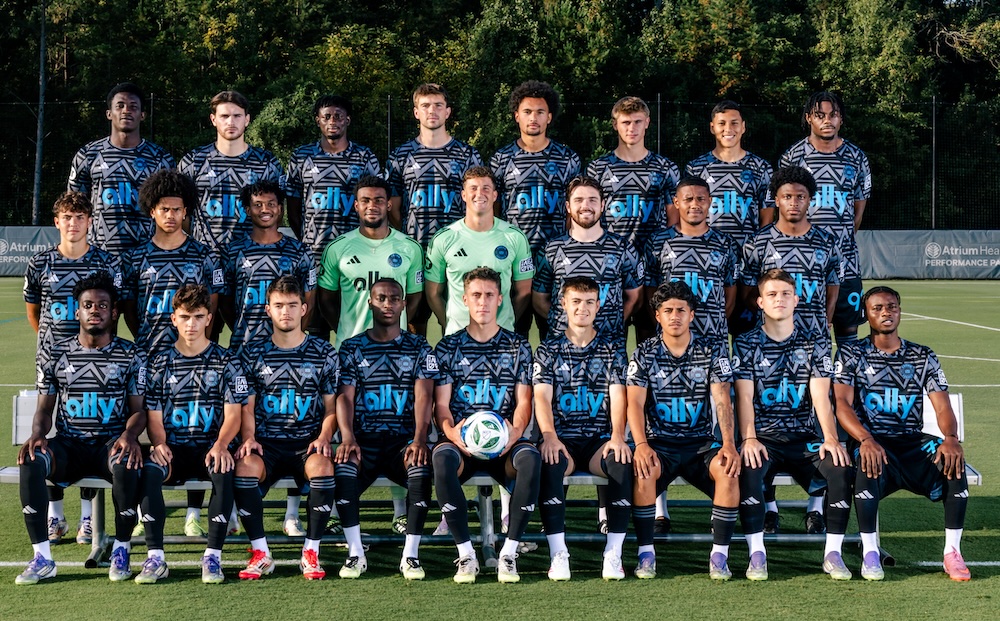
Image courtesy of Charlotte FC